
About the true cost of food
Understanding the true cost is revolutionary and extremely difficult. Realising a better food system requires facing hard facts. We must accurately calculate the full cost we pay for food today to successfully shape economic and regulatory incentives tomorrow.
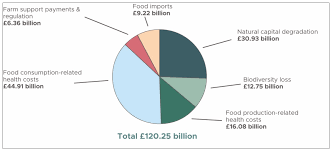
The UK food supply chain comes with hidden costs—to our health, to our climate, and to the farmers, fishers, transport and food workers who ensure goods make their way to supermarket shelves.
We all bear the brunt of the unequal and unsustainable food system we live with today. In fact, our food system costs all of us far more than what’s written on our receipt as we exit the check-out line.
Our food system is failing us, and too few people understand the true cost of the food we consume, and lack clear incentives to change a system that is costing us dearly. That’s why accounting for the true cost of the food we eat is the first, necessary step towards remaking the incentive structure that drives our food system today.
That price tag includes the cost of producing, processing, retailing, and wholesaling the food we buy and eat. It does not include the cost of healthcare for the millions who fall ill with diet-related diseases. Nor does it include the present and future costs of the food system’s contributions to water and air pollution, reduced biodiversity, or greenhouse gas emissions, which cause climate change.
Take those costs into account and it becomes clear the true cost of the UK food system is at least three times as big. The true cost of food disproportionately burdens vulnerable people who are more likely to suffer from diet- related diseases, have less access to water and sanitation, and often work in food production jobs for less than a living wage.
We all pay that high cost even if as consumers don’t see it in the check-out line. And, if we don’t change our food system, future generations will pay those high costs, too.
A better appreciation for food’s true cost can help those trying to provide healthy and affordable food for all consumers.
It can lead to better long-term decision making about fair, livable wages, and safe conditions for all workers.
It can promote innovation to deliver more viable farming methods for farmers. And it can help protect, not harm, our planet.
And we all need to act now. The Covid-19 pandemic revealed how unfit our food system is for the 21st century. Brexit has amplified the fragile supply chain and our over dependence on import food is alarmingly unsustainable.
Understanding the trust cost of our food system is the right first step toward making our supply chain better, less costly, and less risky.
 Growing Links Academy