
About the economics of sustainable food systems
Podcasts combine elaborate and artistic sound production with thematic concerns ranging from scientific research to slice-of-life journalism. Many podcast series provide an associated website with links and show notes, and even a community forum dedicated to discussing the show’s content.
Institute for Agriculture & Trade Policy
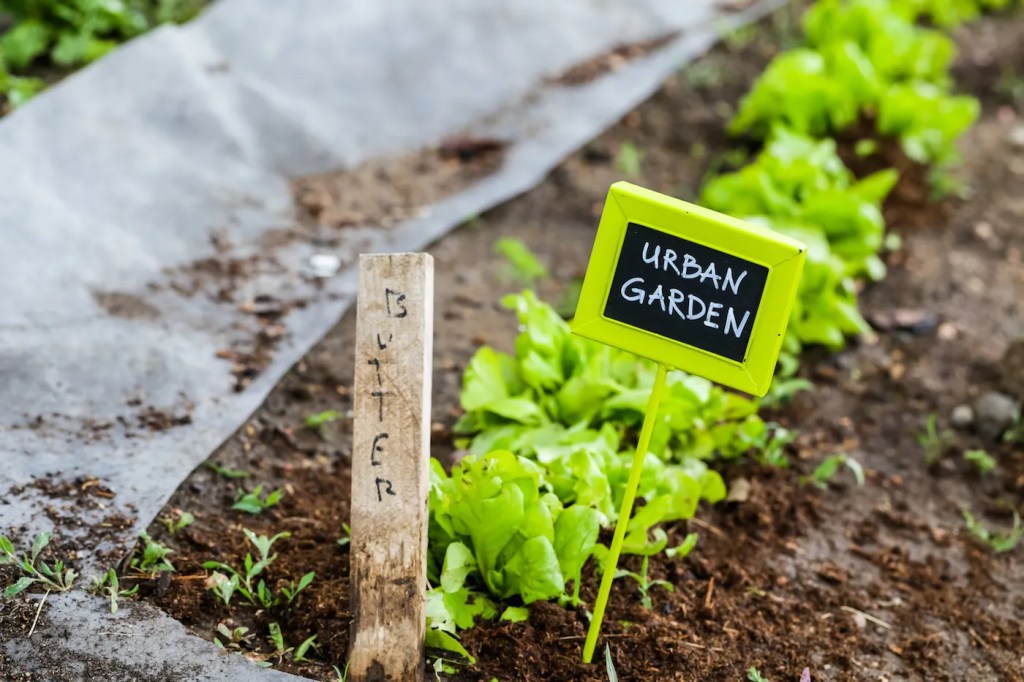
Rural communities nationwide are deteriorating socially and economically and consumers have gradually lost the knowledge about where their food comes from. In areas of high poverty, such as inner cities and remote rural areas, many people are not able to access fresh, locally grown food.

European Environment Agency
Food systems require urgent and profound transformation to become sustainable, both in Europe and worldwide. Social innovation plays a pivotal role in transforming today’s food systems into ones that are economically and socially feasible, and sustainable within planetary boundaries.
Ethical Globe
Local food systems represent an alternative to the current global corporate food system by bringing food production back into the hearts of communities for the local community where the food is produced.

Food & Agriculture Organisation
A sustainable food system (SFS) is a food system that delivers food security and nutrition for all in such a way that the economic, social and environmental bases to generate food security and nutrition for future generations are not compromised. This means that:
– It is profitable throughout (economic sustainability);
– It has broad-based benefits for society (social sustainability); and
– It has a positive or neutral impact on the natural environment (environmental sustainability).
New Economic Foundation
With last year’s long queues and supply issues at supermarkets, the Covid pandemic has made us all re-examine how we get our groceries and where they come from. But even before Covid-19, the failures of the current system were clear to see. Inadequate access to healthy diets contribute to one in seven deaths in Great Britain. Diet-related chronic disease accounts for £6.1bn of annual NHS spending (around 9%) and generates a wider economic loss of more than £54bn a year (that’s 3% of UK GDP).
Ellen MacArthur Foundation
Today, just four crops provide 60% of the world’s calories, while many ingredients that could be used instead and have a lower impact are rarely used. A nature-positive food system requires a more diverse mix of plants and livestock and a better understanding of local contexts to function effectively.

Strategic Actions
There is wide understanding that the economics of the global food system does not add up and that a community based food system is the way forward. The issue is changing the mindset of the farmer and consumer.
Action 1
Farmers need to see the long term economic benefit of organic regenerative agriculture.
Action 2
The consumer needs to understand the benefits of local seasonal food that is less meat oriented and freshly home cooked.
Action 3
Veg bags and food cooperatives and creative retailing need to replace the one stop pile it high and sell it cheap culture.
 Growing Links Academy