About internecine conflict and climate change
As climate change, conflict and migration spread in far corners of the world. It’s very easy to think it will not change our lives tucked away here in West Cornwall.
But we live in a globalised multi linked world. Our current food system is dependent on countries throughout the world. According to the UNHCR in the past 10 years, the number of people forcibly displaced has doubled to almost 80 million people at the end of 2019, with fewer and fewer of those who flee being able to return home. Among them, almost 35 million are refugees, asylum seekers and others displaced outside their country, while the remaining 45 million are internally displaced.
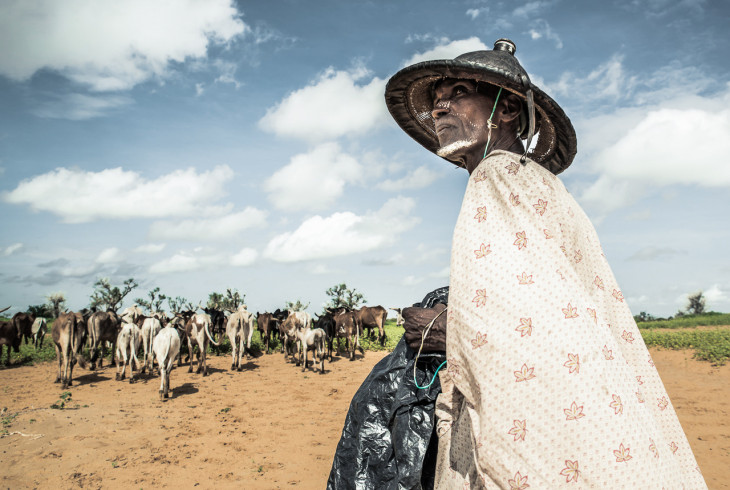
And while conflict exacerbates the effects of climate change, climate change, at least indirectly, drives conflict. And, as the climate crisis intensifies in the coming years and decades, more and more people will be forced to leave their homes, as a result of everything from desertification to rising sea levels. How will countries cope with this influx of refugees, from for example, Pacific islands which are submerged, and will the sharing of already scarce resources lead to conflict?
Strategically if your planning for sustainable local community system’s you’ve got to account for the our relationship with the whole of the global family.
Itad
Climate change is inexorably linked with the most intractable development and humanitarian challenges of our time, such as poverty, conflict, health, and food security. Its impacts are felt most heavily by disadvantaged and vulnerable people, and it is likely to hinder development efforts and threaten sustainable development.

International Red Cross
Seven things you need to know about climate change and conflict. A new ICRC report, When rain turns to dust, explores how countries enduring conflict are disproportionately affected by climate change and climate variability.
United Nations
Climate change is a “crisis multiplier” that has profound implications for international peace and stability and needs a system to blunt its acute effects on food security, natural resources and migration patterns fuelling tensions across countries and regions.
IJF
The Environmental Justice Foundation (EJF) exists to protect the natural world and defend our basic human right to a secure environment.
Climate Change Committee
The Climate Change Committee (CCC) is an independent, statutory body established under the Climate Change Act 2008. Our purpose is to advise the UK and devolved governments on emissions targets and to report to Parliament on progress made in reducing greenhouse gas emissions and preparing for and adapting to the impacts of climate change.
Earth Organisation
We engage on the topic of change with our audience, and via active outreach campaigns with NGOs, Writers, Data Scientists, Economists, Podcasters, Photographers and Activist groups to grow the network of change-makers.

Strategic Development from Research
The UK is not immune from global climate and conflict. Our food security is based on a global supply chain which, over the next ten years will due to climate change and conflict become weaker.
Action 1
Our strategic vision needs to restructure its food supply chain to develop and secure a shorter less fragile supply chain that is more resilient to climate and conflict.
Action 2
Our strategic vision needs to come to terms with the simple fact that a shopping trolley of food from around the globe or produced in process production is no longer viable.
Action 3
Our strategic vision needs to educate, enable and motivate our community to grow, share and eat a diet that is healthier, local and sustainable.
 Growing Links Academy